
A confidentiality agreement in the adult industry holds up in court when it is specific, reasonably limited in time, and lawful in purpose. It falls apart when it tries to gag someone about a crime, runs indefinitely, or hides an unreasonable penalty. If you've already signed one and something's gone wrong, get a lawyer before you say anything else, and preserve every message and file connected to the leak or the threat right now.
TL;DR:
- NDAs in the adult industry are enforceable only if they are specific, reasonably limited in time, and lawful in purpose, with indefinite or overly broad clauses likely to be struck down.
- Clauses demanding silence about illegal activities like assault or wage theft are generally unenforceable, and agreements without clear whistleblower carve-outs can be challenged.
- Optimal confidentiality clauses explicitly define protected information, include lawful reporting exceptions, and restrict damages to proportionate, specific amounts; vague or unlimited provisions increase legal risk.
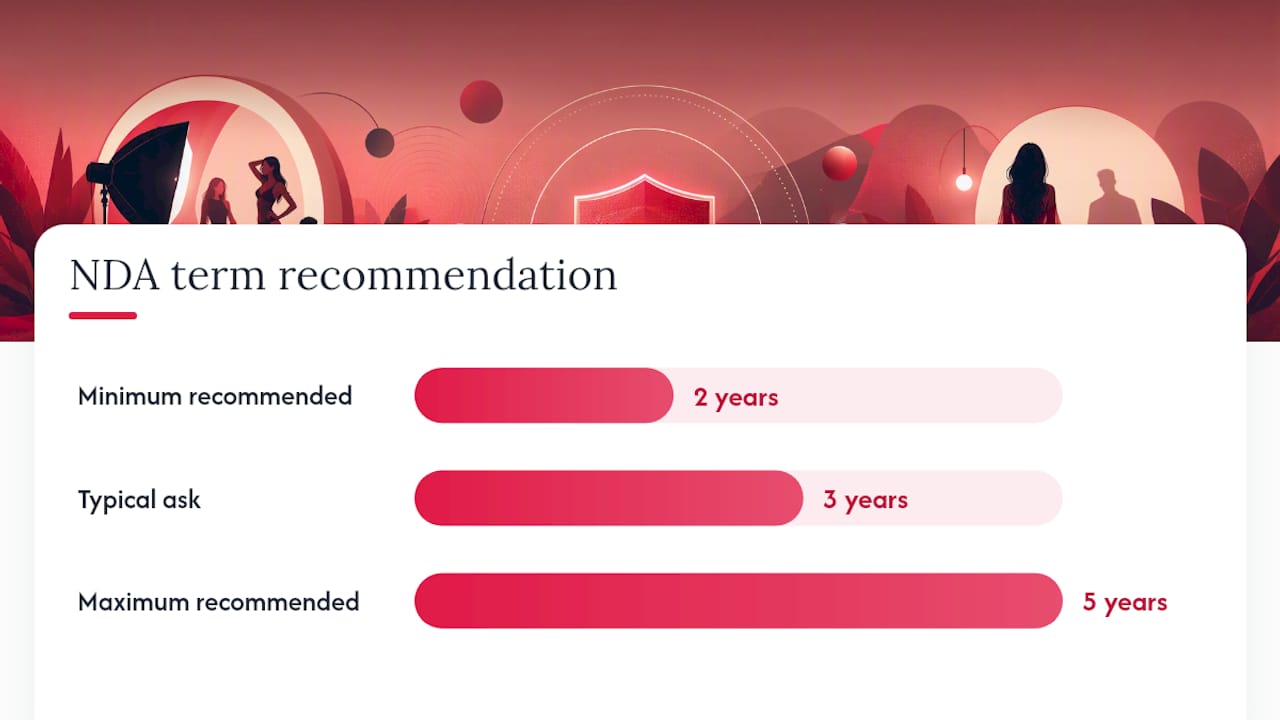
- Negotiating agreements into mutual confidentiality, limiting duration to one to five years, and clarifying that performers can report crimes without breach are effective redlines to improve enforceability.
- After a leak or threat, performers should preserve all evidence, avoid direct responses, and consult a lawyer before attempting to take action or disclose information.
Table of Contents
- What Makes a Confidentiality Agreement Porn Contract Enforceable
- What Adult-Industry NDAs Typically Cover
- The Clause Checklist Every Performer Should Read Before Signing
- How to Negotiate or Push Back on an Adult Shoot NDA
- What to Do First After a Leak or an NDA Threat
- Templates, Generators, and When You Actually Need a Lawyer
- Seattle XXX Casting: Confidential Submissions and Privacy-First Casting
- Performers' Consent and Rights Inside a Confidentiality Agreement
- Free Speech and Artistic Rights Under Confidentiality Terms
- Protecting Sensitive Personal Data in Adult Production Contracts
- Keeping Distribution and Online Sharing Inside the Agreement's Terms
- How Adult-Industry Agreements Differ From Standard NDAs
- Why Narrow Agreements and Confidential Casting Actually Matter
- Secure Casting With Seattle XXX Casting
- Sources
- FAQ
What Makes a Confidentiality Agreement Porn Contract Enforceable
Courts test any non-disclosure agreement (NDA) the same way, regardless of industry: is the scope reasonable, is the purpose lawful, and is the language clear enough that both sides knew what they were agreeing to? A confidentiality agreement covering porn production gets no special exemption from that test, and it gets no extra leniency either. If anything, adult-industry NDAs draw more scrutiny because they intersect with intimate images, consent, and sometimes coercive power dynamics between performers and producers.
The reasonableness test has three moving parts. Scope has to be tied to something real, like unreleased footage or a performer's legal name, not "anything that happens on set, ever, forever." Duration matters enormously: agreements without a defined end date get challenged far more often than ones with a specified term. And clarity means a performer signing the thing should be able to point to a sentence and know exactly what they can't talk about.
None of that protects an NDA used to cover up a crime. Clauses that try to silence someone about sexual assault, wage theft, or discrimination are broadly unenforceable, and courts routinely strike or narrow them once litigation exposes that intent. Sirion's contract analysis notes that NDAs used to conceal illegal activity face the highest odds of being invalidated, and that a reasonable duration for a standard confidentiality term is generally recognized as being within a few years, with anything open-ended tending to draw judicial scrutiny.
Whistleblower protections layer on top of that. Employment-law guidance from the UK's Acas confirms that NDAs cannot lawfully block someone from reporting a crime or making a statutory disclosure; modern agreements include explicit carve-outs to ensure this protection. Lack of such a carve-out is considered an omission rather than a beneficial feature.
A few situations where adult-industry NDAs typically fail in court:
- The agreement demands silence about illegal conduct (assault, fraud, unpaid wages).
- The duration is permanent or undefined, with no sunset clause.
- The definition of "confidential information" is so broad it would cover the performer's own name or general work history.
- The liquidated-damages figure is wildly disproportionate to any plausible harm.
The most instructive real-world example remains the Stormy Daniels dispute. Legal commentary on the case pointed out that even where a signed confidentiality agreement existed, courts were reluctant to issue an injunction blocking speech, and the multimillion-dollar liquidated-damages clause invited serious skepticism rather than automatic enforcement. As the CLS Blue Sky Blog analysis explains, prior restraint on speech is one of the hardest things to win in American courts, no matter what a contract says.
An older but still instructive case, Penthouse International v. Barnes, shows how ambiguity plays out when a model's stage name and privacy expectations weren't clearly nailed down in the printed release. The court looked past the boilerplate and considered handwritten notations and the parties' actual understanding, as detailed in the case record on OpenJurist. The lesson forty years later hasn't changed: verbal promises and handwritten notes can override a sloppy printed form, so keep records of everything you're told outside the contract itself.
Damages remedies also look different than most people expect. Producers rarely get a court to physically stop a release once footage or a statement is out. What they usually pursue instead is money, which is exactly why an oversized liquidated-damages clause deserves more scrutiny than the confidentiality clause itself.
What Adult-Industry NDAs Typically Cover
Two different documents get lumped together under "NDA" in this industry, and mixing them up costs performers real leverage.
A model release grants permission to use someone's image or likeness in specific content. A confidentiality agreement (or covenant) restricts what a performer or crew member can say about the production afterward. Some contracts fold both into a single document. That's not automatically a problem, but it means you need to read for both functions separately instead of assuming one clause covers everything.
What a confidentiality clause tailored to adult production usually tries to protect:
- Raw or unreleased intimate footage before its official release date.
- Behind-the-scenes production details: shoot locations, schedules, co-performer identities.
- Marketing and distribution strategy, including release timing and platform exclusivity deals.
- A performer's legal name, when the performer works under a pseudonym and wants that separation preserved.
- Payment terms and contract specifics, in some producer-side agreements.
That last category, pseudonym protection, deserves special attention because it cuts both ways. A performer might want a confidentiality clause that legally binds the production company to never reveal their real identity. That's a protective use of the same legal tool most people think of as restrictive.
Drafting the "confidential information" definition well is the single highest-leverage move in the whole document. A precise definition names the categories above specifically. A vague one says something like "any information related to the production," which a court may read as unenforceably broad, and which certainly gives the other side room to claim you violated it for saying almost anything. Some well-drafted agreements require that confidential material be marked as such in writing, or confirmed in writing within a short window after disclosure. That "reasonable person" standard, where a court asks whether an ordinary person would have understood the material was meant to stay private, gives both sides a fairer, more predictable test than blanket language ever does.
The Clause Checklist Every Performer Should Read Before Signing
Read a confidentiality agreement clause by clause, not top to bottom as one blur of legal text. Here's the order that matters most.
- Definition of confidential information. Push back on anything that reads "any and all information." Ask for a specific list: unreleased footage, real name, production schedule, whatever actually applies.
- Permitted purpose and recipients. The agreement should say who can receive disclosures, if any (legal counsel, a platform's compliance team) and for what purpose. If it's silent on this, it's incomplete.
- Term and expiration. A range of one to five years is standard for most confidentiality covenants in commercial contracts, according to Sirion's enforceability guidance. Indefinite terms should trigger real skepticism unless there's a genuine trade-secret argument, which is rare in this context.
- Whistleblower and lawful-disclosure carve-outs. In the United States, the Defend Trade Secrets Act requires specific whistleblower notice language in many confidentiality agreements; its absence is a red flag, not a neutral oversight. Acas guidance confirms the same principle applies broadly across employment-adjacent contracts: you cannot be lawfully barred from reporting a crime.
- Liquidated damages. Look for a specific dollar figure or formula, not a vague "damages as determined by the company" clause. A number wildly out of proportion to plausible harm is exactly what drew scrutiny in the Stormy Daniels dispute.
- Residuals and ongoing compensation. If footage generates revenue after release, does the agreement address what happens to your ongoing payments if you're bound to silence about performance details?
- Assignment. Can the company transfer this agreement to a buyer if it's acquired? Unlimited assignment rights mean you could end up bound to a company you never agreed to work with.
- IP assignment traps. Some documents labeled "NDA" quietly assign copyright or publicity rights alongside the confidentiality terms. Guidance for creators from ELN Law warns this bundling is common enough that every clause needs a separate read, since a confidentiality signature can accidentally sign away far more.
- Disguised non-competes. Watch for language restricting who you can work with in the future. That's a non-compete wearing an NDA's name, and it should be negotiated or removed separately.
Pro Tip: Before you sign anything, copy the "confidential information" definition into a separate note and rewrite it in plain language. If you can't explain in one sentence what you're agreeing not to talk about, don't sign until someone clarifies it in writing.
Sample redline language worth proposing: replace "any information related to the Production" with "footage, images, and production schedules not yet publicly released, and the Performer's legal name if used under a stage name." That single edit turns an unenforceable blanket clause into something a court is far more likely to uphold, and it protects you better too, since you'll actually know what you can and can't say.
How to Negotiate or Push Back on an Adult Shoot NDA
You have more leverage than most people entering their first adult shoot NDA assume, especially before signing anything.
Start by asking whether the agreement can be made mutual. A one-way NDA only restricts the performer while leaving the production company free to discuss anything it wants. Sirion's mutual NDA guidance recommends converting one-sided agreements into mutual ones with a defined term, typically two to five years, and notes that larger companies will often agree to reasonable mutual terms simply because it's standard practice, not an unusual ask.
Redlines worth proposing before you sign anything:
- Mutuality: both parties keep the same information confidential, not just you.
- A capped term, ideally landing in that one-to-five-year range rather than open-ended.
- An explicit carve-out allowing you to report crimes, seek medical or psychological help, or talk to a lawyer without breaching the agreement.
- No unilateral right for the company to claim residual payments are forfeited if you discuss general career details.
- Limited assignment rights, so the agreement doesn't automatically transfer if the company is sold.
When is a free template genuinely fine, and when do you need an actual lawyer? If the liquidated-damages figure is modest, the duration is reasonable, and nothing touches criminal conduct or a serious power imbalance (a solo performer negotiating with a large studio's legal department, for instance), a well-vetted template with the carve-outs above may be workable. The moment you see six-figure damages clauses, employment terms bundled in, or any hint that reporting misconduct could trigger a breach claim, that's a lawyer conversation, not a redline-it-yourself one.
Document every step of the negotiation in writing. Confirm verbal promises by email the same day ("Per our call, you confirmed the term is capped at three years and the whistleblower carve-out stays in"). If you're asked to disclose anything before signing, keep that disclosure narrow and note the date. A short script line that works in most negotiations: "I'd like to propose this be mutual, with a three-year term and a standard carve-out for reporting unlawful conduct. Can we get that language added before I sign?"
What to Do First After a Leak or an NDA Threat
Move fast, but move in order. Panic leads people to delete things they'll need later or to respond publicly before they've talked to anyone who can actually help.
- Preserve everything before you do anything else. Screenshot the leaked material, the platform it appeared on, and any messages threatening you over the NDA. Save file metadata where possible, and do not delete your own copies of the original content, even if it feels instinctively wrong to keep it.
- Do not respond to threats directly. Any reply you send, especially anything admitting fault or apologizing, can be used against you later. Route communication through counsel once you have one.
- File a takedown where the content is copyrighted. If you own the copyright to the footage, most platforms accept DMCA takedown notices, which tend to move faster than a lawsuit. Several jurisdictions have also added newer statutory takedown mechanisms specifically for non-consensual intimate imagery, so check what applies where the content was posted.
- Contact a lawyer who handles entertainment or privacy law before you contact the person threatening you. An emergency injunction is possible but hard to win, since courts want concrete evidence of irreparable harm, not just distress. A lawyer can tell you within a day whether this route is realistic for your situation.
- Loop in your manager or agent for reputation coordination. A brief, calm, pre-approved statement beats an improvised one. Decide together what gets said publicly, if anything, before it needs to be said.
Courts weigh emergency injunction requests heavily toward the plaintiff showing genuine, specific, irreparable harm, which is part of why the Stormy Daniels-style disputes rarely ended in a court physically blocking speech, according to the CLS Blue Sky Blog's analysis. Knowing that in advance changes what "winning" realistically looks like after a leak.
Templates, Generators, and When You Actually Need a Lawyer
Free NDA generators produce usable first drafts fast, and for low-stakes situations, that's often enough. A generator built specifically for intimate or sex-industry contexts, like the one described by Terms, typically walks through a clause checklist covering the definition of confidential information, term length, and carve-outs, which is a meaningfully better starting point than a generic business NDA pulled off a random legal-forms site.
What generators are good at, and where they stop being enough:
- Speed and cost: a template gets you 80% of the way there in minutes, for free or close to it.
- Structure: a decent generator prompts you to think through duration, scope, and carve-outs you might otherwise skip.
- Jurisdiction: most generators are not written for your specific state or country's whistleblower statutes, and that gap matters most exactly when things go wrong.
- Bundled traps: generic templates rarely flag IP assignment or non-compete language hiding inside a confidentiality clause, the exact problem ELN Law's guidance for creators warns about.
A short checklist for customizing any downloaded template before you sign it:
- Check the publish or last-updated date; older templates may predate recent whistleblower-notice requirements.
- Add an explicit carve-out for reporting crimes and seeking legal or medical help.
- Cap the term at something specific, one to five years in most cases.
- Strip any language that assigns copyright, publicity rights, or future-work restrictions unless that's genuinely intended and separately negotiated.
- Confirm the liquidated-damages figure is a specific, proportionate number, not open-ended.
Pay for a lawyer once the stakes justify it: six-figure damages clauses, any hint of employment-style restrictions, or a real power imbalance between you and the other party.
Seattle XXX Casting: Confidential Submissions and Privacy-First Casting
Privacy concerns don't start with the contract. They start with who sees your application in the first place. Seattlexxxcasting built its process around that reality: submissions, including personal details and government-issued ID for age verification, go through a confidential review handled exclusively by authorized staff, not an open inbox anyone on a team can browse.
Video auditions follow the same principle: a secure submission method rather than a public upload, so the material stays contained to the people actually making casting decisions. That structure matters most in the early stage, before any NDA or contract exists at all, since a leak at the application phase can cause damage no confidentiality clause will fix afterward.
None of that replaces reading your own contracts closely. Even applicants who come through a professional, privacy-focused casting process should still review every NDA or release they're asked to sign on its own merits, using the clause checklist above, before putting a signature on it.
Performers' Consent and Rights Inside a Confidentiality Agreement
A confidentiality agreement in this industry does double duty: it can protect a performer's privacy, and it can be weaponized to suppress a performer's ability to speak about their own experience. The line between those two functions is where consent lives.
Consent to appear in content is legally and practically separate from consent to stay silent about how that content was made. A performer can fully consent to a scene and still have every right to discuss unsafe working conditions, contract disputes, or coercion during production. An NDA that conflates "don't discuss the shoot" with "don't discuss anything that happened to you during the shoot" is overreaching, and that overreach is exactly the kind of clause courts scrutinize hardest.
Age verification and identity documentation, standard practice across legitimate production, exist to confirm consent capacity, not to give producers leverage over a performer's silence. Those are two different legal functions bundled into one intake process, and performers should understand which document does which job.
Performers negotiating any confidentiality agreement should ask specifically: does this clause let me discuss my own treatment, compensation, and consent on set, separate from discussing unreleased footage or production secrets? If the contract doesn't distinguish those, that's the first redline to raise.
Free Speech and Artistic Rights Under Confidentiality Terms
Confidentiality agreements sit in real tension with a performer's or director's expressive rights, and courts recognize that tension explicitly. Prior restraint, a court order stopping speech before it happens, is one of the hardest remedies to win in American law, regardless of what a contract says. That's not a loophole; it reflects a real constitutional preference for after-the-fact damages over pre-emptive silencing.
That preference shows up directly in adult-industry disputes. Commentary on the Stormy Daniels case pointed out that a signed agreement did not automatically mean a court would block someone from speaking, and that public-interest considerations weighed against enforcing the confidentiality terms as written, per the CLS Blue Sky Blog's legal analysis.
For performers and directors who see their work as creative expression rather than just commercial output, an overly broad confidentiality clause can functionally restrict discussing their own artistic process, their choices on set, or their perspective on the finished work. A narrowly drafted clause, limited to genuinely sensitive production details, protects business interests without reaching into territory that looks like suppressing someone's ability to talk about their own creative labor.
The practical takeaway: broad confidentiality language invites a free-speech challenge that narrow, specific language avoids entirely. Precision protects the agreement's enforceability as much as it protects the performer's expression.
Protecting Sensitive Personal Data in Adult Production Contracts
Confidentiality agreements in this industry increasingly double as data-protection commitments, and that's a distinct legal category from the "don't talk about the shoot" function most people picture.
Government ID documents, real names tied to stage names, health and testing records, and unreleased intimate footage are all categories of sensitive personal data that production companies handle routinely. Some corporate agreements in the space go further than a basic confidentiality clause and build in actual security obligations. A licensing and management agreement filed by Playboy Enterprises with the SEC requires access controls, security testing, and incident-response and notification duties around confidential materials, which shows this kind of contractual data-security commitment is a real, established practice in the industry, not a fringe request.
Performers negotiating their own agreements can reasonably ask for similar language: who has access to ID documents and personal footage, how long that material is retained, and what happens (notification timeline, remediation steps) if there's a breach. A confidentiality agreement that only restricts the performer's speech while staying silent on the company's own data-handling obligations is one-sided in a way that's worth flagging in negotiation.
Keeping Distribution and Online Sharing Inside the Agreement's Terms
Most confidentiality breaches in this industry don't happen through a dramatic leak. They happen through ordinary carelessness during distribution: a marketing team posting a clip before the agreed release date, a co-performer discussing shoot details on social media, or a platform partner sharing behind-the-scenes footage without checking the underlying contract.
Production companies serious about compliance build distribution checkpoints into the confidentiality agreement itself, not just the general terms. That means naming who signs off before anything goes public, setting a release date the agreement actually enforces, and specifying which platforms are approved for which content categories.
Performers have a role here too. If your agreement restricts you from discussing unreleased footage, that restriction extends to your own social media, private group chats, and casual conversation, not just formal interviews. The safest practice is treating any unreleased material as covered until a specific public release date passes, rather than assuming informal mentions don't count.
For production teams, a short internal checklist helps: confirm release dates against the signed agreement before any promotional post goes live, restrict raw footage access to people named in the agreement's "permitted recipients" clause, and keep a dated log of who approved each piece of content for release. That log becomes valuable evidence if a dispute over unauthorized distribution ever surfaces later.
How Adult-Industry Agreements Differ From Standard NDAs
A standard commercial NDA protects trade secrets, business strategy, or technical information between companies. A confidentiality agreement built for adult content protects something categorically different: a person's body, image, and identity, which raises the stakes and shifts what courts and negotiators actually care about.
Standard business NDAs rarely need whistleblower carve-outs addressing sexual harassment or assault, because that's not the subject matter. Adult-industry agreements need that language explicitly, since the power dynamics and physical vulnerability involved make those protections far more likely to become relevant.
Liquidated-damages clauses also carry different weight. A tech company NDA breach might genuinely cost millions in lost competitive advantage. A performer discussing their own experience rarely causes damages anywhere near what some adult-industry NDAs demand, which is exactly why courts, as seen in the Stormy Daniels-related commentary, treat oversized damages clauses in this context with more suspicion, not less.
Identity protection functions differently too. A business NDA protects a company's secrets from a competitor. An adult-industry agreement often protects a performer's legal name from the public, which is a privacy interest running in the performer's favor rather than a company's. That distinction should shape how these agreements get drafted and negotiated, and templates borrowed wholesale from generic business contexts routinely miss it.
Why Narrow Agreements and Confidential Casting Actually Matter
The gap between what most people assume about NDAs and what actually holds up in court is bigger than most performers realize going in. A vague, sweeping confidentiality clause feels protective on paper and does almost nothing in practice, because courts have little patience for language too broad to interpret fairly. A narrow, specific clause, naming exactly what's covered and for how long, is both more enforceable and genuinely more protective of the person signing it.
Privacy protection should start before the contract stage, at the point where an application first gets seen by another human being. That's the part people underestimate. Once material or personal information is loose in an inbox nobody controls, no clause fixes that afterward.
Insist on specificity, insist on a defined term, and insist on carve-outs for reporting harm. If a deal involves real money or real risk, get a lawyer to look at it before you sign, not after something goes wrong.
— Trent
Secure Casting With Seattle XXX Casting
Most casting routes in this industry ask for your information first and explain their privacy practices later, if at all. Seattlexxxcasting runs that order in reverse: confidential review by authorized staff only, secure ID verification for age confirmation, and a private video audition process built so your submission isn't sitting exposed in a shared inbox somewhere.
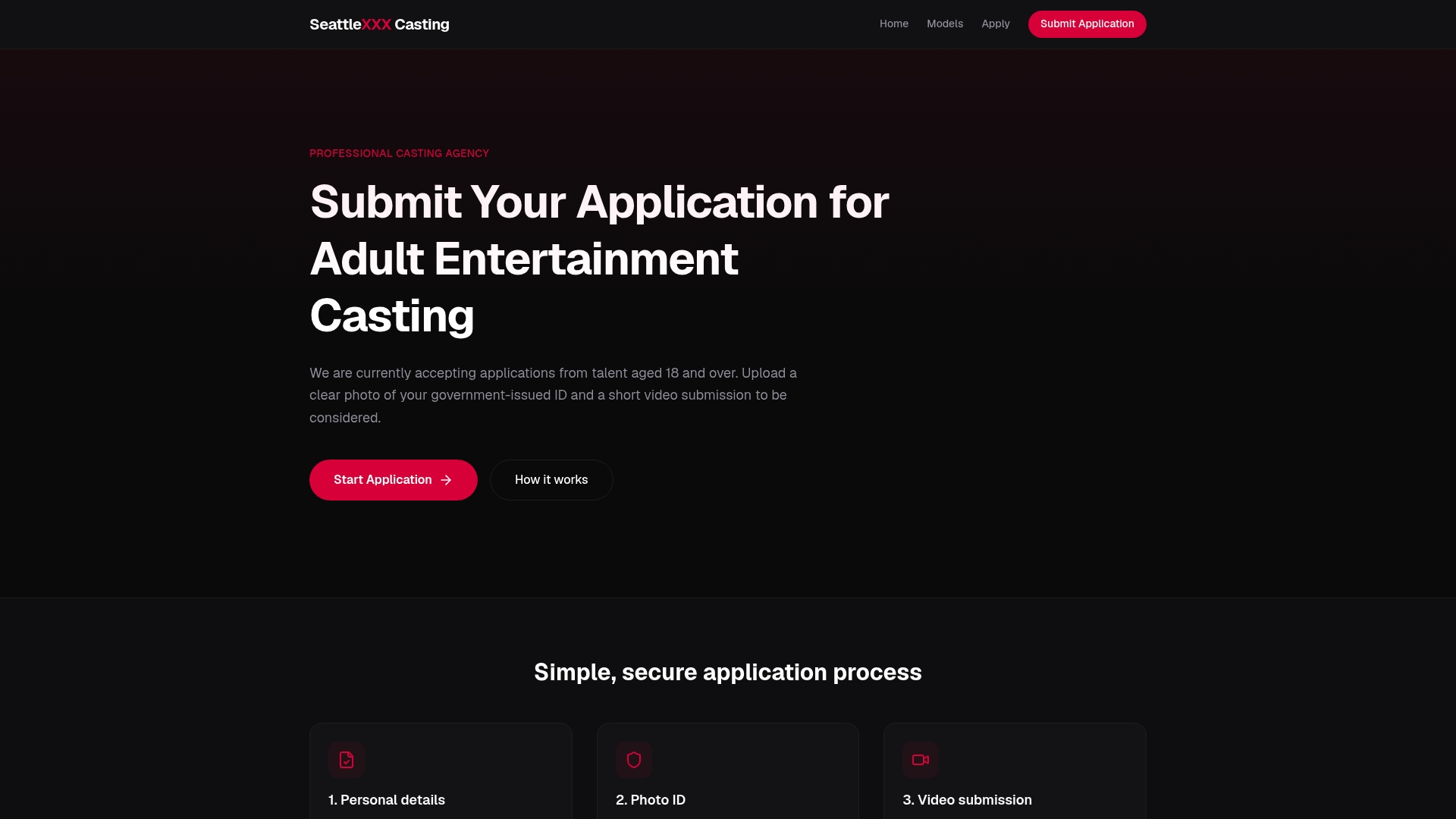
That structure matters most for applicants who are serious about entering the industry but understandably cautious about who sees their identity and audition material before anything is decided. If that describes where you are right now, the Seattle XXX Casting application page walks through what's required: personal details, ID upload, and a video submission, all handled through the same confidential process described above. Start there, and once you're talking with a studio or producer about an actual contract, bring the clause checklist from this article with you.
This article is general information, not a substitute for advice from a qualified lawyer. Consult a qualified legal professional about your own circumstances before acting on anything here.
Sources
- Do NDAs hold up in court? — Sirion
- Porn star might talk despite confidentiality agreement — CLS Blue Sky Blog
- Terms
- Using non-disclosure agreements — Acas
FAQ
Do NDAs Cover Illegal Activity Like Assault or Harassment?
No. Confidentiality agreements generally cannot lawfully block someone from reporting a crime, and courts routinely refuse to enforce clauses used to conceal illegal conduct such as sexual harassment or assault.
Is a Confidentiality Agreement in the Adult Industry Legally Enforceable?
Yes, when it's specific, has a reasonable duration (typically one to five years), and covers a lawful purpose. Overly broad, indefinite, or illegal-conduct-concealing clauses face a much higher risk of being struck down or narrowed by a court.
Can I Put an NDA on a Romantic or Intimate Partner?
You can ask someone to sign a confidentiality agreement covering specific private matters, but a court will apply the same reasonableness test as any other NDA, and it still cannot legally prevent someone from reporting a crime or seeking help.
Is Signing an NDA Risky for a Performer?
It can be, especially if the definition of confidential information is vague, the duration is open-ended, or the damages clause is disproportionate. Reviewing every clause against a checklist, or having a lawyer do it, meaningfully reduces that risk before you sign.
What's the Difference Between a Model Release and an NDA?
A model release grants permission to use your image or likeness in specific content. A confidentiality agreement restricts what you can say about the production afterward, and some contracts combine both functions into one document.